
Choosing the right autoclave class starts with the instruments you process, not with chamber size or price.
For hospitals, clinics, and dental departments, the choice is often between Class B and Class N steam sterilizers. Class N cycles cover a narrower load range, while Class B cycles cover a broader range. Packaging, instrument shape, drying, records, installation conditions, and the device manufacturer’s instructions still matter. A class letter does not replace load validation or local requirements.
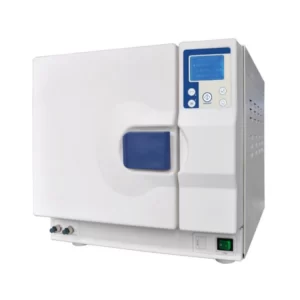
What Do Class B, Class N, and Class S Autoclaves Mean?
For small steam sterilizers, the B, N, and S cycle types are defined in EN 13060. The classification describes cycle performance and the loads that a cycle is intended to process. It is not a simple quality ranking.
What Is a Class B Autoclave?
Class B cycles are intended for a broader range of loads, including suitable solid, porous, lumen, wrapped, and unwrapped products.
Many Class B tabletop sterilizers use vacuum-assisted air removal before steam enters the load. This matters when air can stay inside a lumen, porous material, or package. Still, a machine is not Class B simply because it has a vacuum pump. Cycle performance, validation, and the instrument instructions remain the basis for use.
What Is a Class N Autoclave?
Class N cycles are intended for non-wrapped solid products. This narrower range can be enough for departments with simple, predictable loads.
ARI Medical lists the AAL-16L-N as a 16 L European Class N tabletop steam sterilizer with 121°C and 134°C settings. It is a useful example of a simpler Class N configuration.
Where Does Class S Fit?
For Class S, the sterilizer manufacturer specifies the load types covered by the cycle. Capability varies by model, so check the validated load description instead of assuming Class S sits halfway between Class N and Class B.
Which Autoclave Class Fits Different Instrument Loads?
Start with a real load list. Check whether the instruments are solid or lumen, wrapped or unwrapped, and whether porous materials are part of the load.
When Are Unwrapped Solid Instruments Suitable for Class N?
If the routine load is made up of compatible non-wrapped solid instruments and the device instructions allow the selected steam cycle, Class N may be enough.
Do not choose Class N only because it is smaller or cheaper. The load and packaging method need to fit the validated cycle.
Why Do Packaged and Hollow Instruments Often Need Class B?
Wrapped, porous, and lumen loads make air removal harder. Steam needs to reach the surfaces that must be sterilized, and trapped air can get in the way.
This is why Class B units are often considered for mixed instrument sets. Vacuum-assisted air removal is common, but validated load capability is what matters.
Why Should You Check the Instrument Manufacturer’s Instructions?
Autoclave class does not override the reusable instrument manufacturer’s instructions.
Check steam, pressure, temperature, packaging, and cycle limits before processing an item. Some reusable devices have specific requirements. Others may not be suitable for steam sterilization at all.
Why Do Vacuum and Drying Matter When Choosing an Autoclave Class?
Temperature is only one part of the cycle. Air removal and drying also matter in daily use.
How Does Air Removal Affect Steam Penetration?
Steam must reach the required surfaces. Air left in a chamber area, package, or lumen can reduce contact.
When comparing machines, ask how air is removed and which loads the cycle is validated to process. Do not use “vacuum” as a shortcut for “Class B.”
Why Does Vacuum Drying Matter for Packaged Loads?
Excess moisture can make wrapped loads harder to handle and store.
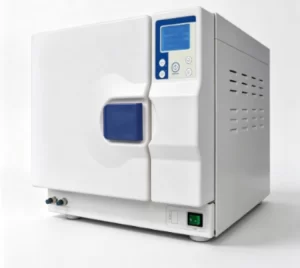
ARI Medical specifies strong vacuum drying for the AAL-22L-B and lists residual humidity below 0.2% on the product page. Buyers should match this quantitative specification with the model documents used for their project.
What Do Bowie & Dick and Leak Tests Tell You?
The AAL-22L-B specification includes Bowie & Dick and leak testing.
These functions support routine checks related to air removal and vacuum performance. They do not by themselves prove that every load has been sterilized successfully. Testing should follow the sterilizer instructions and the facility’s own procedures.
What Should You Compare Beyond the Autoclave Class?
Two Class B sterilizers can still be very different machines. Chamber geometry, record functions, water handling, utilities, and service all affect daily use.
Chamber Size and Daily Workload
Look at complete instrument loads rather than individual tools. Check the number of trays used during normal and peak periods, then compare them with the usable chamber dimensions.
The AAL-22L-B has a 250 × 450 mm chamber, five tray levels, three trays, and a listed capacity of about 23 L.
If installation space is tight, review autoclave room size and installation planning before final equipment selection.
Cycle Records, Water Management, and Operation
The AAL-22L-B includes a USB connector for sterilization records and can be configured with an optional micro-printer. It also uses separate fresh-water and waste-water reservoirs and includes water-quality detection.
These features do not determine the autoclave class, but they can affect routine operation and traceability.
Installation, Service, and Local Requirements
Before ordering, confirm voltage, installation space, ventilation, water handling, maintenance access, service support, and required documents.
If a tender or local rule specifically requires EN 13060 Class B evidence, request the model-specific certificate, test report, or other supporting document. A product-page class description should not replace the documents required for the project.
Which Class B Autoclave Fits Routine Hospital and Dental Work?
A Class B unit makes sense when the department needs a broader validated load range.
For this type of work, the AAL-22L-B (LCD) Table Type Pulse Vacuum Steam Sterilizer is one ARI Medical option.
When Does a Class B Unit Make Sense?
Class B is worth considering for mixed instrument loads, wrapped sets, or suitable porous and lumen devices.
It can also suit departments that need vacuum drying, cycle testing, and record functions in one tabletop unit. The choice still needs to start with the actual load rather than the assumption that a broader class is always better.
How Does the AAL-22L-B Support Routine Sterilization?
ARI Medical lists the AAL-22L-B (LCD) under “European Class B standard.”
Its published specification includes 121°C and 134°C sterilization temperatures, vacuum drying, Bowie & Dick and leak tests, water-quality detection, USB cycle recording, and an optional printer.
The final choice still needs to match the actual instrument load and the documents required in the destination market.
When Might a Simpler Autoclave Be Enough?
If routine work is limited to compatible non-wrapped solid instruments, a simpler Class N configuration may be enough.
The broader cycle capability of a Class B unit is useful only when the department actually needs it.
What Mistakes Should You Avoid When Choosing an Autoclave?
Do not choose by the class name alone. Check chamber geometry, cycle programs, drying, documentation, utilities, and service.
Do not buy capacity that does not fit the normal workload. A chamber that is too small may create repeated cycles, while an oversized unit may take up more space without giving the department a practical benefit.
Most importantly, do not let a product name or class letter replace load-specific instructions and local compliance checks.
Conclusion
Choosing between Class B and Class N is mainly a load-matching decision.
Start with the instruments, packaging, and whether porous or lumen loads are involved. Then compare drying, chamber size, records, water management, installation, and service.
For hospitals or dental departments that need broader tabletop cycle capability, the AAL-22L-B offers a vacuum-based configuration with testing, drying, and record functions. A Class N unit can still be the practical choice for a limited non-wrapped solid load.
The right machine is not the one with the highest class or the largest chamber. It is the one whose validated cycles, capacity, and workflow fit the instruments your department actually processes.
FAQ
Is Class B Better Than Class N?
Class B covers a broader load range, but that does not make it the right choice for every facility. Class N may be suitable for compatible non-wrapped solid products.
What Is the Main Difference Between Class B and Class N Autoclaves?
The main difference is intended load capability.
Under EN 13060, Class N is intended for non-wrapped solid products, while Class B covers a broader range of suitable loads.
Do Hospitals Always Need a Class B Autoclave?
No. The correct cycle depends on the instruments, packaging, daily workload, processing instructions, and local requirements.
Can a Class B Autoclave Sterilize Hollow Instruments?
Class B cycles are intended to cover suitable lumen loads within their validated range. The specific instrument and cycle still need to be compatible.
What Should You Check Before Buying a Class B Autoclave?
Check load types, chamber size, cycle validation, drying, test programs, records, water management, electrical requirements, installation space, technical documents, and after-sales service.
Which ARI Medical Class B Autoclave Is Suitable for Tabletop Use?
ARI Medical lists the AAL-22L-B (LCD) as a tabletop pulse vacuum steam sterilizer under “European Class B standard.”
Its published configuration includes vacuum drying, Bowie & Dick and leak testing, USB records, water-quality detection, and 121°C/134°C programs.
For model documents, installation questions, or project support, contact ARI Medical before final equipment selection.